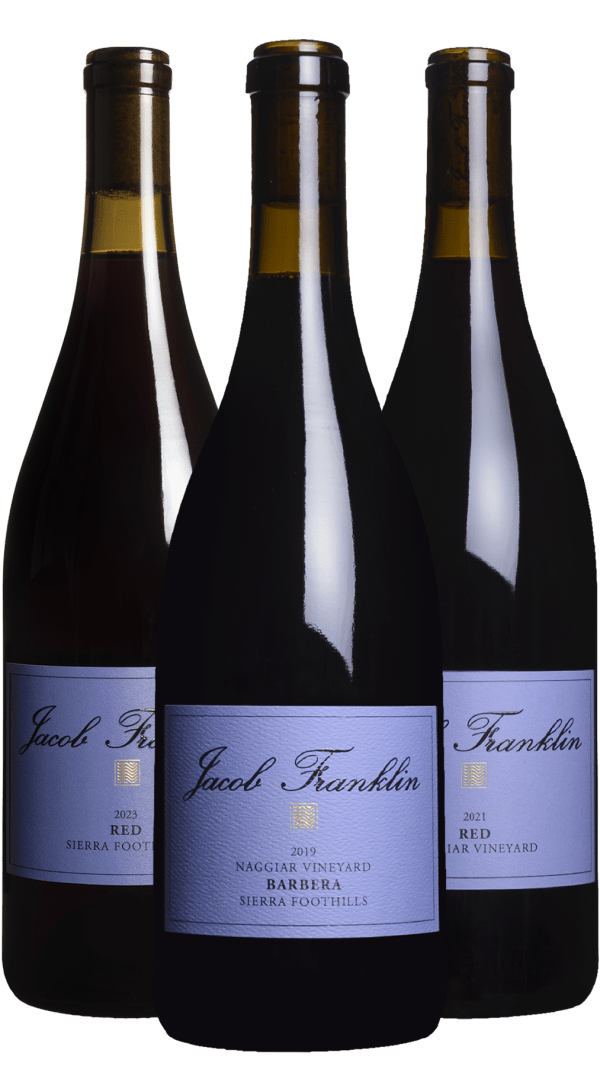
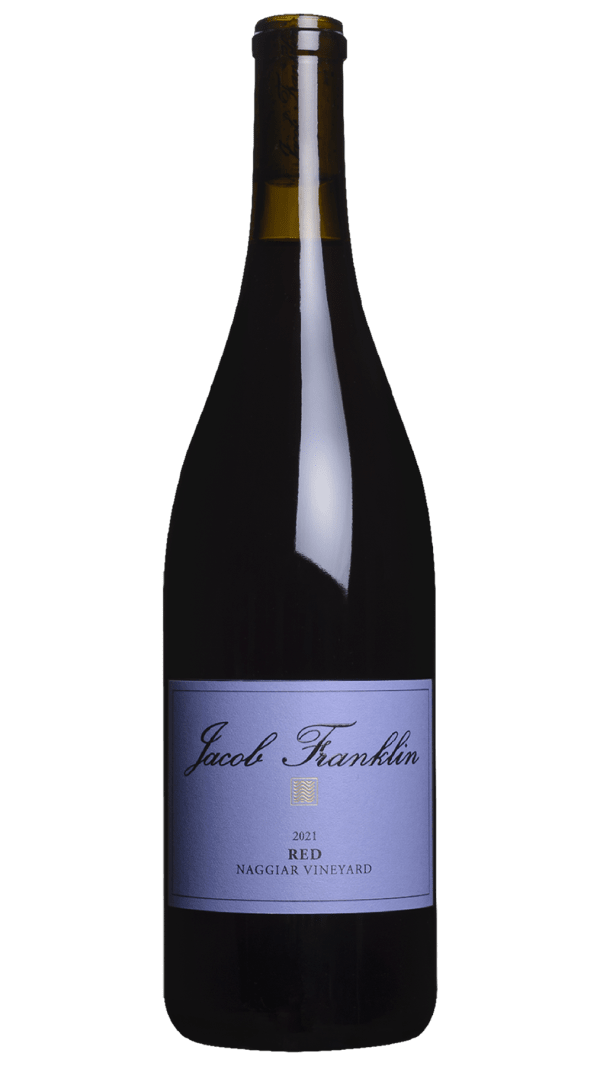
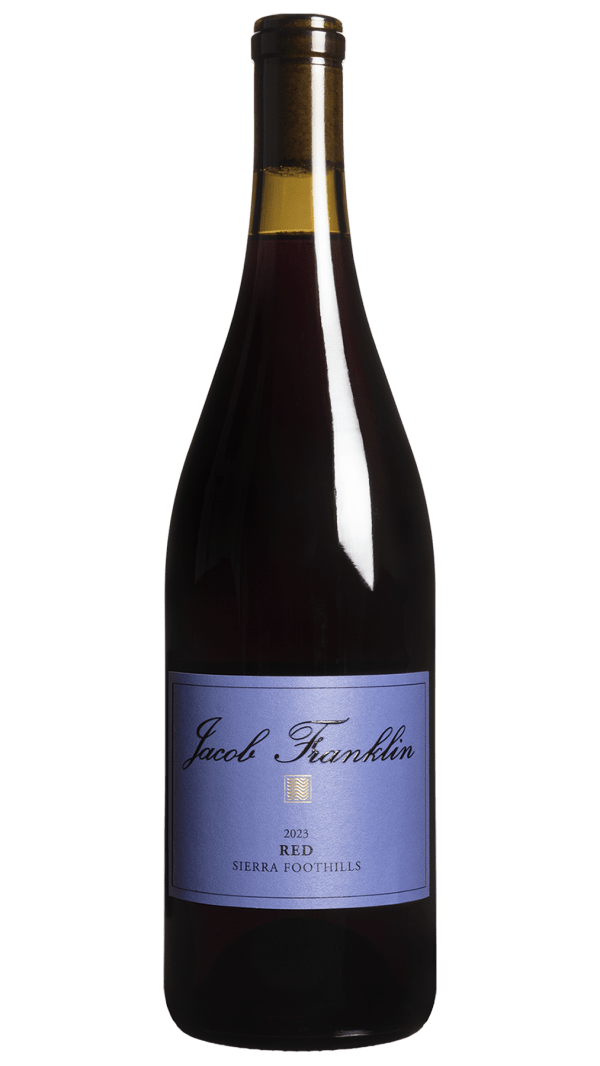
Jacob Franklin Wines Mixed Reds
- Typically $27-$45/bottle from Jacob Franklin Wines
- Vintage 2019, 2021, & 2023 from the Sierra Foothills
- Available for AL; AZ; CA; CO; CT; DC; FL; GA; IA; ID; IL; IN; KS; KY; LA; MA; MD; ME; MI; MN; MO; MT; NC; ND; NE; NH; NJ; NM; NV; NY; OH; OK; OR; PA; RI; SC; SD; TN; TX; VA; VT; WA; WI; WV; WY
- Sold by participating winery or licensee, fulfilled by Wine Country Connect
About Jacob Franklin Wines: “Jacob Franklin Wines is a family run wine brand that was started by the Coursen family in 1998. In 2018 we amicably went our separate ways with Elyse Winery and now Ray and Jake (Jacob) Coursen are taking the reins.”

Who's buying this?
How are you buying your bottles?
Did you notice that February this year fits into a perfect block on the calendar?
-
Yes, and it pleases meYes, and it pleases me
-
No, but now I haveNo, but now I have
-
Yes, but who caresYes, but who cares
-
No, and who caresNo, and who cares
35 votes