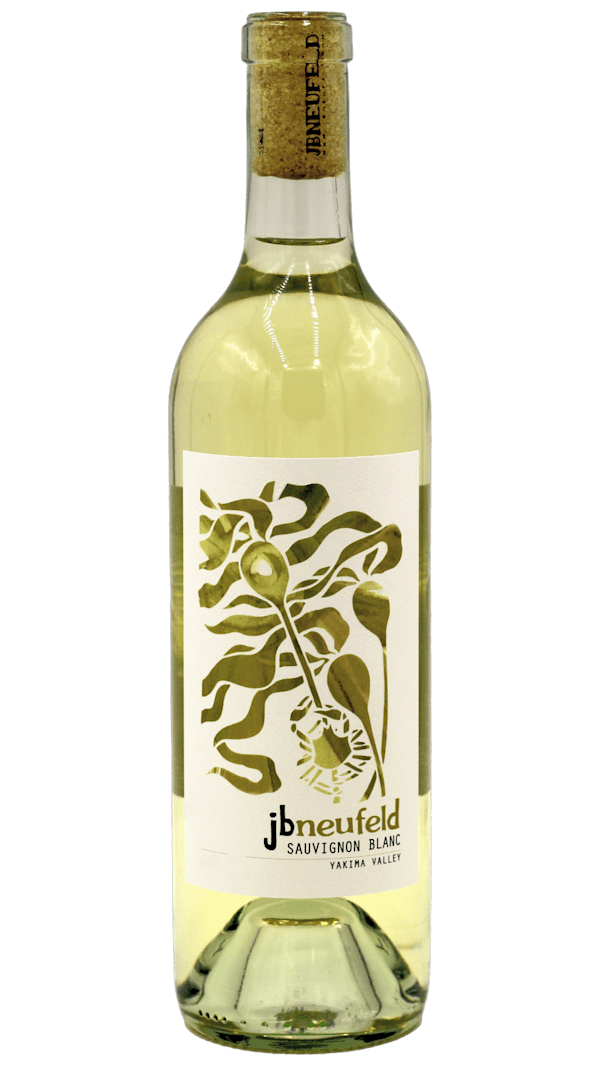
JB Neufeld Sauvignon Blanc
- Typically $20/bottle from JB Neufeld
- Vintage 2025 from Yakima Valley
- Available for AL; AZ; AR; CA; CO; CT; DC; FL; GA; ID; IL; IN; IA; KS; KY; LA; ME; MD; MA; MI; MN; MO; MT; NE; NV; NH; NJ; NM; NY; NC; ND; OH; OK; OR; PA; RI; SC; SD; TN; TX; VT; VA; WA; WV; WI; WY
- Sold by participating winery or licensee, fulfilled by Wine Country Connect
About JB Neufeld: “Nestled in the heart of Washington State’s beautiful Yakima Valley, JB Neufeld has an unwavering commitment to tradition and sustainability, here we focus on small-lot, handcrafted wines that reflect the region’s unique terrior. JB Neufeld is made up of winemaker Justin Neufeld, and his wife Brooke.”
Who's buying this?
How are you buying your bottles?
What's your relationship with deliberate waiting?
-
I'm genuinely good at it — patience feels like a skill I've builtI'm genuinely good at it — patience feels like a skill I've built
-
I can wait when I have to, but I'm checking the clock the whole timeI can wait when I have to, but I'm checking the clock the whole time
-
I fill every gap immediately; stillness makes me anxiousI fill every gap immediately; stillness makes me anxious
-
I've learned to treat it as part of the process, not dead timeI've learned to treat it as part of the process, not dead time
-
Tell us your version →Tell us your version →
21 votes