Staff Lines, No Notes
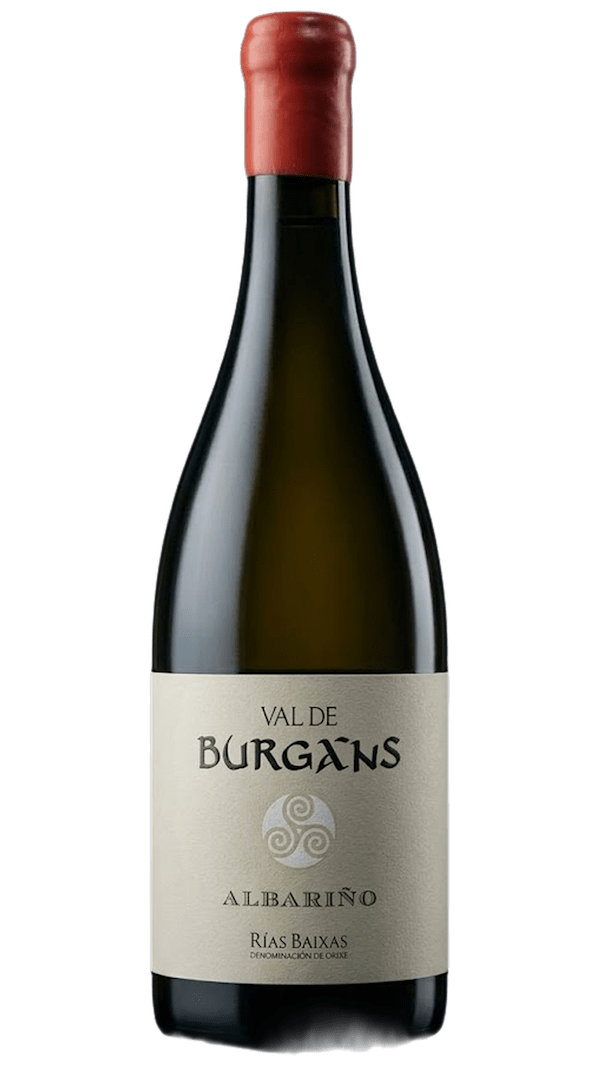
TASTING NOTES: Val de Burgáns pays homage to the Val do Salnés, heart of the Rías Baixas region, surrounded by sea and nature, where tiny vineyards plots dot the landscape. This bucolic and temperate region of Green Spain is the inspiration for a wine that captures the uniqueness of this maritime terruño. Cool and humid Atlantic breezes and granitic sandy soils combine to create the perfect combination for a generous and vibrant style of Albariño. Only the best plots with a traditional emparrado training system, optimal sun exposure, and naturally low-vigor vines are selected by hand for this cuvée. To complement this wine’s richness and tensile acidity, it is aged for 7-8 months in a large French oak foudre.” (AbV 13%)
VARIETALS: Albariño. Vines 20+ years-old. Granitic sand soils. at 10-150 meters elevation. Sustainable farming.
BARRELS: 7-8 months in a French oak foudre, vegan
PAIRS WITH: N/A
THAT REMINDS ME OF: Martín Códax, the 13th-century Galician troubadour the winery is named after.
Everything we know about him fits on a single sheet of parchment. In 1914, a Madrid bookseller named Pedro Vindel found it being used as a wrapper around a copy of Cicero’s De officiis, which is a very medieval way to treat a masterpiece. It holds seven songs credited to Martín Códax, and that’s the whole record. No birth date, no hometown, no biography. His career consists of seven songs and a bookbinder’s recycling habit.
Here’s the detail I can’t stop thinking about. Six of the seven songs have their music written out. The seventh has the staff lines drawn, ready and waiting, with no notes on them. Somebody planned to finish it, and then didn’t. So there’s a song out there that exists only as lyrics and empty lines, and about 800 years of musicians have been left to guess how it goes. The other six are mostly sung in a woman’s voice, standing on the shore and asking the waves of Vigo whether they’ve seen her beloved. The waves never answer (rude), but at least those songs come with sheet music.